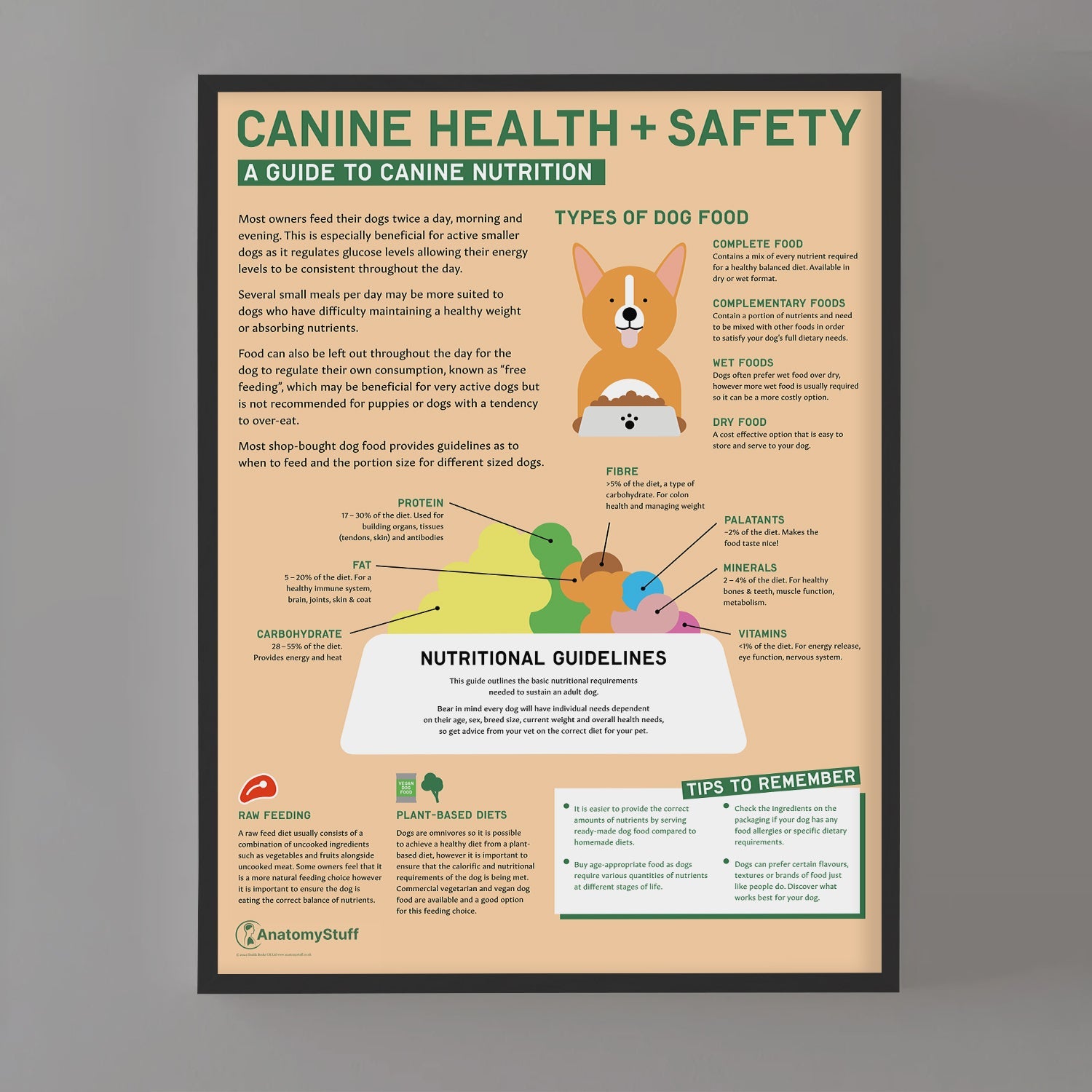
Fats are the most focused type of food energy, giving your animal with greater than twice the power of proteins or carbs. Fats are crucial in the framework of cells, required for the production of some hormonal agents, and are needed for absorption and use of certain vitamins. Fats additionally give insulation and security for inner body organs.
Carbohydrates supply energy, play an essential function in the health and wellness of the intestine, and are vital for reproduction. While there is no minimal carbohydrate requirement, there is a minimum sugar requirement necessary to provide energy to crucial body organs such as the mind. Fibers are sort of carbs that alter the microbial population in the tiny intestinal tract, which can aid take care of persistent diarrhea in dogs.
A Biased View of Nutritional Advice - Vet 2 You
Most vitamins can not be synthesized in the body, and as a result are crucial to obtain in the diet regimen. Please note that when feeding your pet dog a total and well balanced diet, it is unneeded to provide a vitamin supplement unless a specific vitamin shortage is detected by a veterinarian. Because of over supplementation, poisoning because of excess vitamins (hypervitaminosis) is more typical nowadays than vitamin shortage (hypovitaminosis).
Excess vitamin D might result in very thick bones, soft tissue calcification and kidney failure. Minerals are nutrients that can not be synthesized by pets and need to be supplied in the diet. In general, minerals are most vital as architectural components of bones and teeth, for maintaining fluid equilibrium and for their involvement in numerous metabolic responses.
Little Known Questions About Raw Diets For Dogs And Cats - American Veterinary Medical Association.
This process of progressively decreasing a puppy's dependence on his mother's milk, referred to as weaning, should usually start in between three and 4 weeks of age and is ideally completely by the time the pup is seven to 8 weeks. Puppies get full nutrition from their mom's milk for the initial 4 weeks of life, so there is no need to feed them anything throughout that time.
If you find on your own in this situation, contact your veterinarian for item and feeding suggestions. After that time, it's ideal to let weaning be a progressive procedure that happens over several weeks. This enables the mother canine to gradually run out her milk supply and puppies need time to find out vital actions from their mother and littermates, including how to interpret indications of prominence, hinder their very own biting practices and submit to even more dominant pets.
While divided, introduce the young puppies to consuming from a frying pan. The amount of food, the frequency and size of separation can gradually be increased.
A spoiled lap canine might require just 10% of that, while an energetic pet dog that works out consistently outdoors might require maintenance plus 20 to 40%. You might require to adjust sections as you learn your pet dog's optimal "upkeep" amount. Animal owners ought to constantly speak with their canine's veterinarian to figure out the most effective feeding routine and kinds of foods for their pets.
8 Superfoods For Your Dogs Diet That Can Help Fight Cancer - The Facts
Be sure to inspect with your vet on your pet's post-opt dietary requirements. Treats ought to be offered in moderation and stand for 5 percent or much less of the canine's day-to-day food consumption.